

Discover how connected data, AI, and SAP’s autonomous enterprise vision are helping mid-market retailers transform merchandising, customer experience, pricing, promotions, and profitability.
Retail merchandising has traditionally focused on putting the right product in the right place at the right price. While that objective hasn’t changed, the way retailers achieve it certainly has. But after more than twenty years in retail, I can tell you the hard part has never been picking the right product. It’s figuring out — at 4:58 on a Friday, from three systems that refuse to speak to each other — why the item everyone wanted is sold out in Ohio and gathering dust in Arizona. The answer now lives in a dozen places at once, and by the time you’ve stitched it together in a spreadsheet, the customer has already bought it from someone else. Every merchandising decision now influences far more than inventory movement or margin. It shapes customer experiences, brand perception, loyalty, and long-term profitability across every shopping channel.
Customers no longer distinguish between physical stores, ecommerce sites, mobile applications, and social commerce. They expect retailers to understand their preferences, maintain consistent pricing, recommend relevant products, and deliver seamless experiences regardless of where they choose to shop. Meeting those expectations requires more than operational efficiency. It requires connected data that gives retailers a complete view of both their business and their customers.
That’s why SAP’s vision for the autonomous enterprise is particularly compelling for mid-market retailers. They are the ones who feel every stockout and every margin point but don’t have a floor full of analysts to throw at the problem. And with SAP S/4HANA Cloud Public Edition, that vision is finally within reach without a multi-year, capital-draining transformation. Rather than relying on disconnected reports and manual analysis, organizations can begin using artificial intelligence to continuously evaluate business conditions, identify opportunities, and recommend actions that improve merchandising performance while strengthening the customer experience. The goal isn’t to automate people out of the process or to make merchandisers moonlight as data-integration engineers every Friday afternoon. It’s to equip merchandising teams with the insight they need to make better decisions, faster.

Connected Data Creates Better Merchandising and Better Customer Experiences
Artificial intelligence is only as valuable as the information supporting it. For many retailers, that’s still the biggest obstacle to becoming more agile.
Pricing often lives in one system. Inventory data lives in another. Customer profiles, loyalty activity, ecommerce behavior, promotions, and financial reporting frequently exist across multiple platforms with limited visibility between them. Each system provides valuable information, but none tells the complete story on its own.
Modern merchandising depends on understanding how operational and customer data influence one another. A pricing decision affects customer demand. Promotions influence buying behavior. Inventory availability impacts customer satisfaction and brand loyalty. Product assortment shapes future purchasing patterns. When these relationships are connected through a unified SAP landscape — with SAP S/4HANA Cloud Public Edition increasingly serving as the single source of truth — retailers gain the visibility needed to make decisions that support both business performance and customer expectations.

This connected foundation allows AI to evaluate far more than historical sales reports. It can recognize relationships between customer behavior, inventory movement, pricing strategies, profitability, and market conditions, giving merchandising teams recommendations based on what’s happening now rather than what happened last quarter.
Demand Signals Are No Longer Just Sales Signals
Retailers have always monitored sales trends, but today’s demand signals extend far beyond transactions.
Customers generate valuable information every time they browse products online, abandon shopping carts, redeem loyalty offers, respond to marketing campaigns, engage with digital storefronts, or purchase through physical stores. Combined with inventory positions, supplier performance, weather events, and regional buying patterns, these signals create a far richer understanding of demand than traditional reporting ever could.
AI enables retailers to process this information continuously, helping merchandising teams recognize emerging trends before they become obvious through manual analysis. Rather than waiting for weekly reports or end-of-month reviews, organizations can adjust assortments, reallocate inventory, refine forecasts, or update promotional strategies while customer demand is still evolving.
This ability to respond proactively creates a better experience for customers while improving operational efficiency across the business.
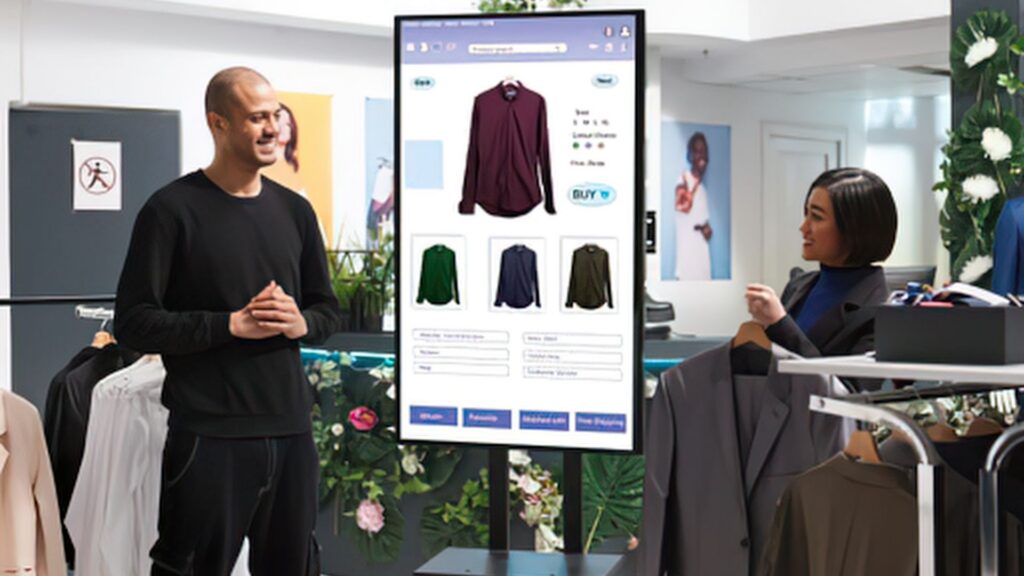
Smarter Pricing and Promotions Drive Stronger Business Outcomes
TPricing has always been one of retail’s most powerful competitive tools, but static pricing strategies are becoming increasingly difficult to sustain in fast-moving markets. Every merchant has lived the slow-motion markdown: you finally discount the seasonal item the week after your competitor cleared theirs, and you’re left holding both the leftover inventory and the margin hit. Nobody enjoys that meeting.

AI-assisted pricing and markdown optimization allow retailers to evaluate inventory levels, customer demand, competitive activity, seasonal trends, and purchasing behavior simultaneously. Instead of relying solely on historical averages, merchandising teams receive recommendations that balance sell-through objectives with margin protection, helping organizations preserve profitability without sacrificing customer satisfaction.
Promotions become significantly more effective when they’re informed by connected customer data. Rather than measuring success only through short-term revenue, retailers can evaluate which campaigns increase basket size, strengthen customer loyalty, improve lifetime value, encourage repeat purchases, or successfully engage new customer segments. Those insights allow organizations to personalize future promotions with far greater precision while avoiding unnecessary discounting that erodes margin without creating lasting value.
As autonomous capabilities continue to mature, retailers will increasingly shift from reacting to performance after a campaign ends to continuously optimizing promotional strategies while they’re still active.
Inventory Decisions Are Customer Experience Decisions
Inventory planning has traditionally focused on maintaining appropriate stock levels while minimizing carrying costs. Although those objectives remain important, inventory decisions now have a direct impact on customer experience.
A customer who encounters repeated stockouts, inconsistent product availability, or delayed fulfillment is less likely to remain loyal, regardless of how strong a retailer’s pricing strategy may be. The shopper who drove across town for the item your app swore was in stock doesn’t care that your pricing is brilliant. He or she cares that they left empty-handed, and they’ll remember it the next time they decide where to shop. Conversely, excessive inventory creates financial pressure that often results in aggressive markdowns and reduced profitability.
Connected enterprise data allows retailers to balance these competing priorities more effectively. AI can continuously evaluate inventory positions alongside customer demand, supplier performance, pricing strategies, and financial objectives, helping merchandising teams make decisions that improve both operational performance and customer satisfaction.
This represents one of the most practical examples of SAP’s autonomous enterprise vision. Rather than treating merchandising, commerce, supply chain, and customer experience as separate functions, organizations can begin managing them as interconnected business capabilities supported by intelligent technology and trusted data.
Where EverBlue comes in
Preparing for autonomous retail requires more than implementing AI. It requires connecting the people, processes, and technologies that power merchandising and customer experience across the enterprise.
EverBlue Partners helps mid-market retailers modernize their SAP landscape by connecting merchandising, commerce, customer data, supply chain, and enterprise operations into a unified foundation for intelligent decision making. Whether you’re modernizing pricing strategies, improving promotional effectiveness, optimizing inventory, or advancing your customer experience capabilities, our team helps ensure your SAP investments deliver measurable business value while preparing your organization for the next generation of autonomous enterprise capabilities.
Ready to build a connected retail enterprise that’s powered by intelligent data and exceptional customer experiences? Connect with our team to learn how EverBlue can help accelerate your journey toward autonomous retail.